
Myofascial Release Tools
Professional-grade foam rollers and massage balls for deep tissue stimulation. Apply targeted pressure to release tension and restore ease to the body — at home, in the studio, or after training.
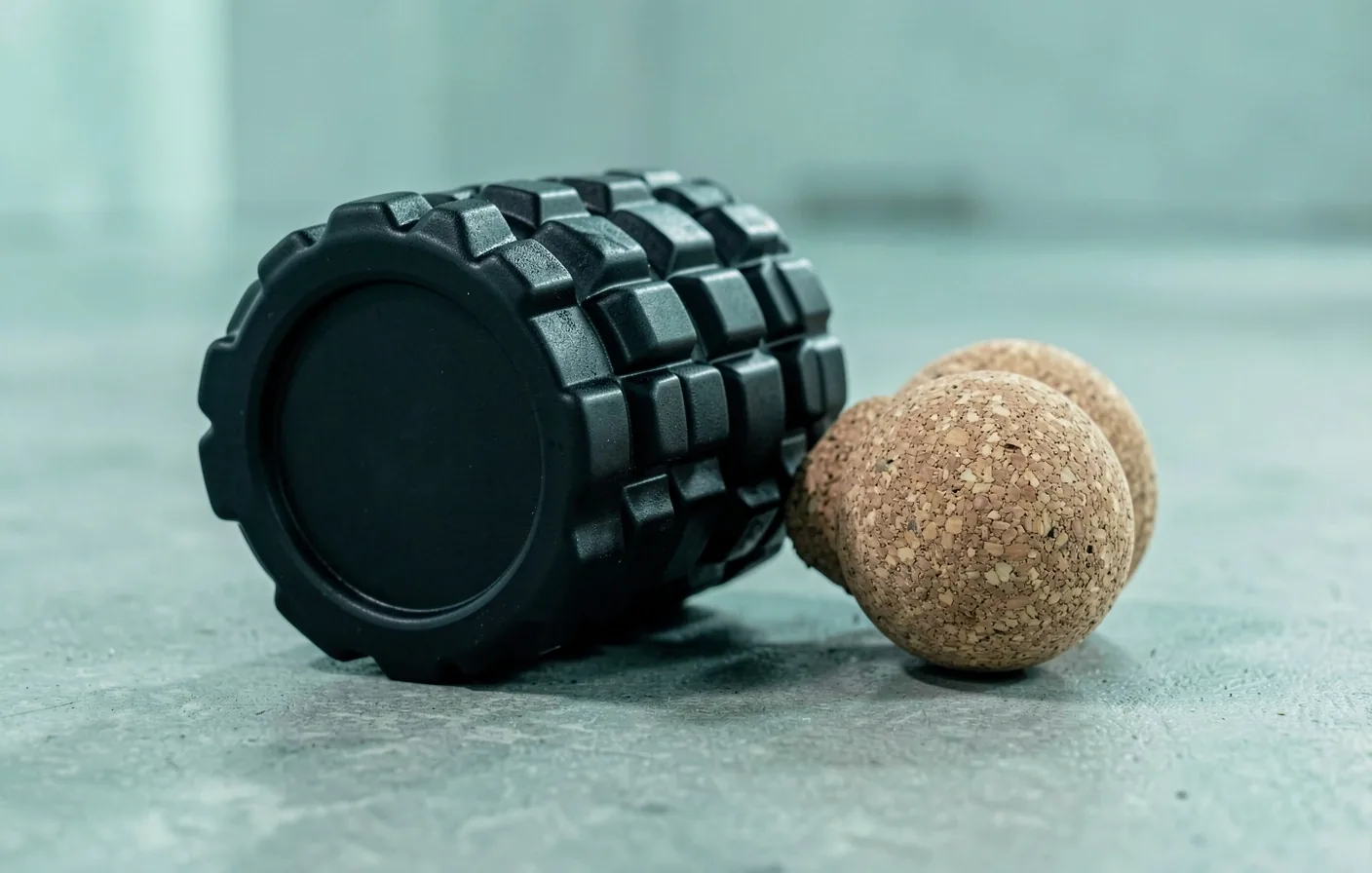
Pressure where your body needs it most
Myofascial release (MFR) is a technique used to address tension in the connective tissue and muscles. At Movewell, we supply the UK market with professional-grade muscle massage rollers and massage balls designed for deep tissue stimulation. These tools allow you to apply targeted pressure to specific areas, helping to release muscle knots and restore a sense of ease to the body.
Whether you are rolling out your quads after a long run or working a stubborn knot in your shoulder, the right tool makes the difference between a superficial pass and a thorough release. Our range is built for consistency — firm surfaces that hold their shape, materials that wipe clean, and densities that suit both beginners and experienced users.
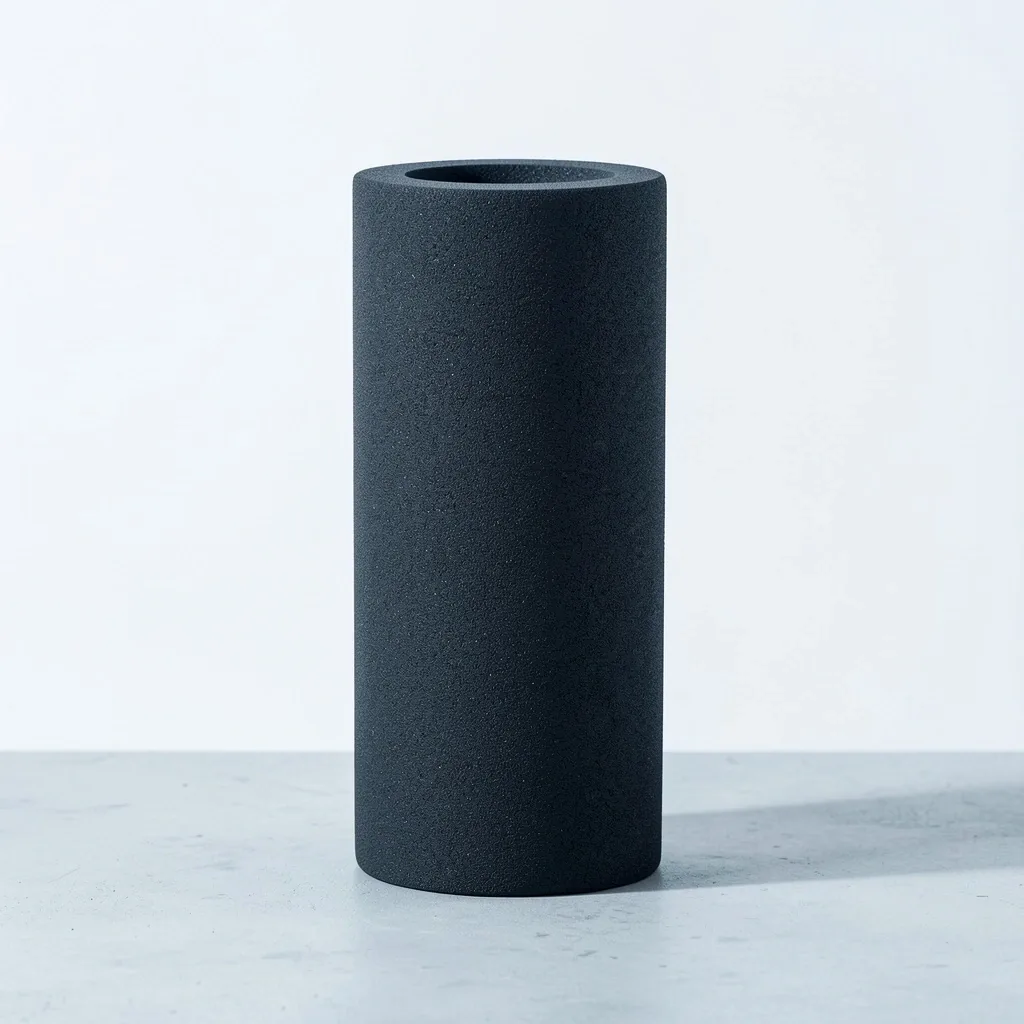
High-Density Muscle Massage Rollers
The standard foam roller is a versatile tool for large muscle groups like the quadriceps, hamstrings, and upper back. Our rollers are constructed from high-density materials that provide a firm surface for effective rolling. Unlike cheaper alternatives, these rollers maintain their shape over time, ensuring a consistent experience during every session.
Quads, hamstrings, upper back, calves
High-density EVA foam — holds shape
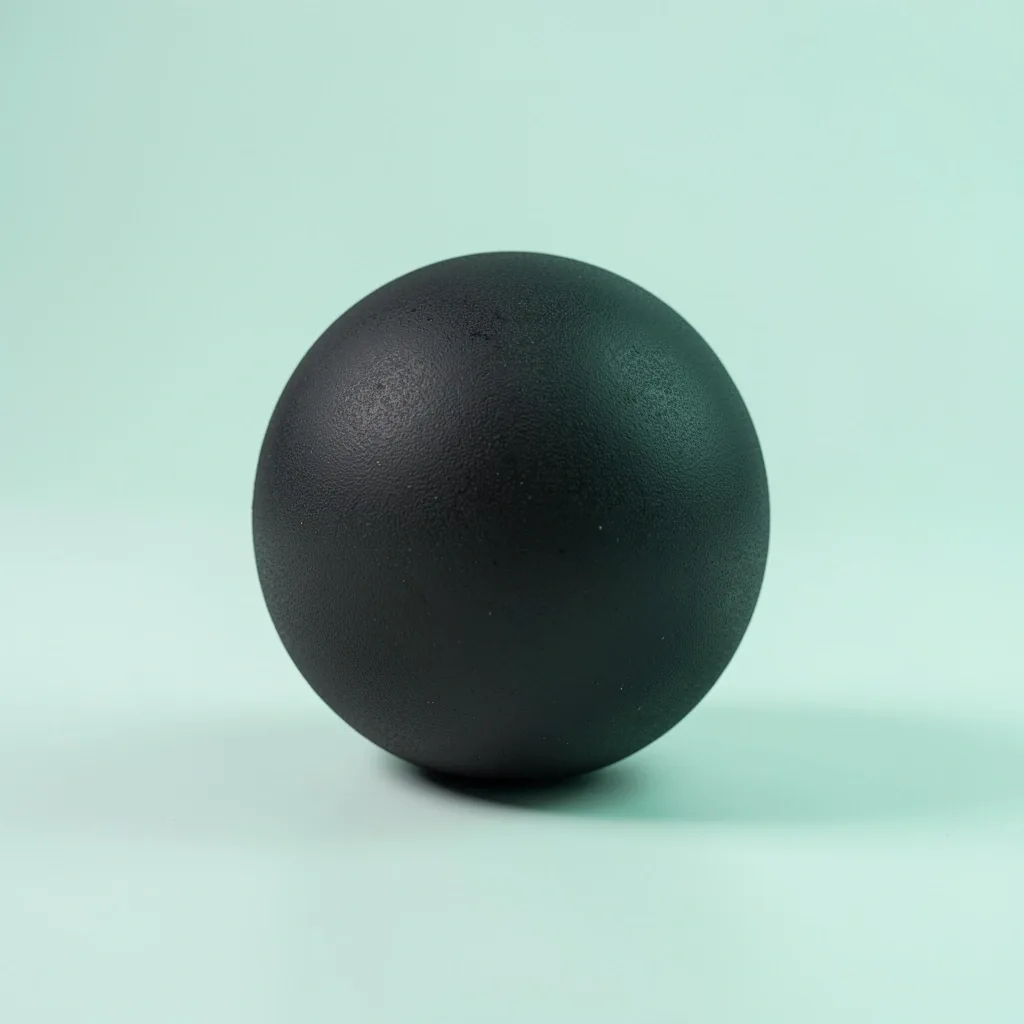
Pinpoint pressure with massage balls
For smaller or harder-to-reach areas, massage balls are an essential part of the MFR toolkit. A single massage ball can be used for pinpoint pressure on the glutes or shoulders. By using your body weight to control the intensity, you can address localized tension that larger rollers might miss.
The ball gives you a smaller contact point than a roller, which means more pressure per square centimetre. That makes it the tool of choice for the sole of the foot, the piriformis, and the dense tissue around the shoulder blade — spots where a roller simply cannot reach.
The peanut massage ball and your spine
The peanut massage ball is specifically designed to cradle the spine while targeting the erector spinae muscles. This dual-ball shape allows you to roll along the back without applying direct pressure to the vertebrae. It is also an excellent tool for the calves and neck, providing a stable base for deep tissue work.
The gap between the two halves is what makes the shape work. Place it lengthwise along your spine and the balls sit on the muscle channels either side, leaving the bones untouched. That means you can lean your full weight into the tool without the sharp discomfort of a single ball pressing directly on bone.
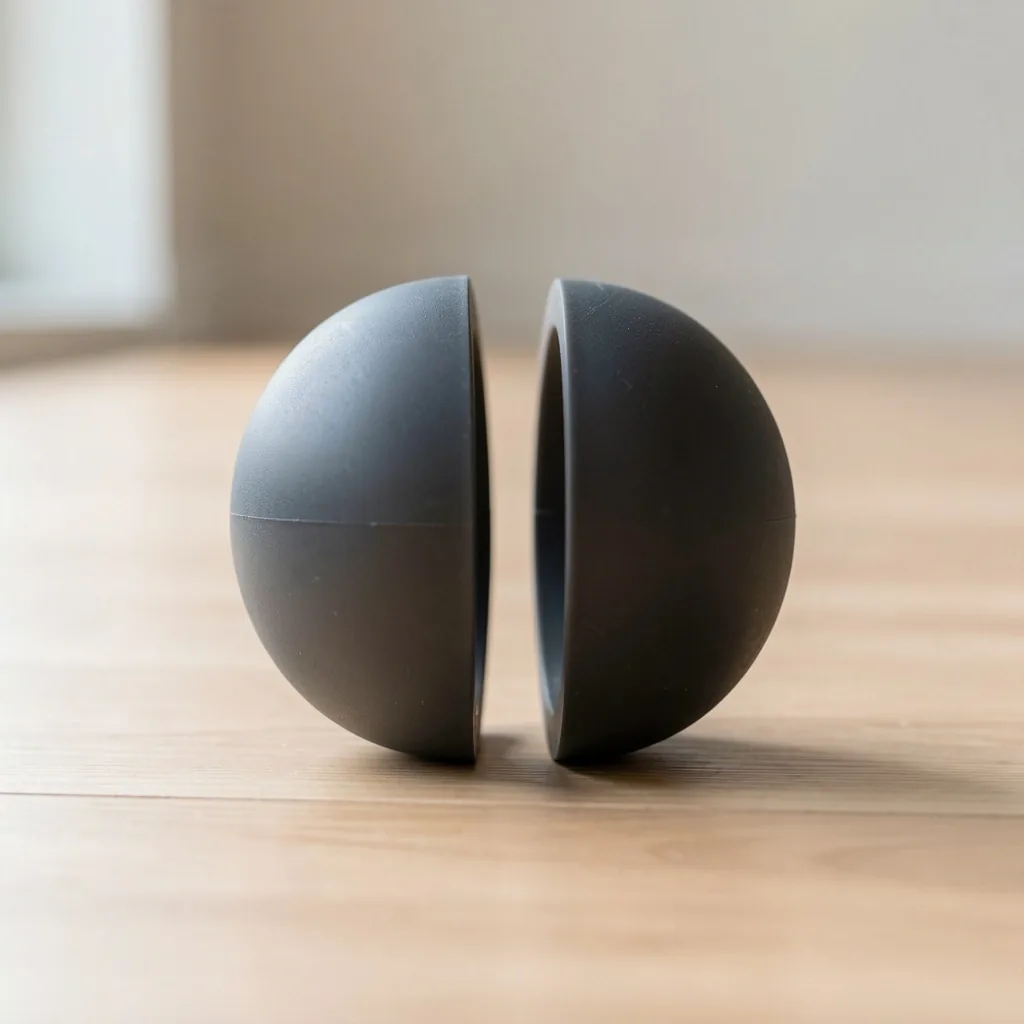
The central channel keeps pressure off the vertebrae while the two contact points work the muscle bands on either side of the spine.
How to release muscle knots safely
Releasing muscle knots requires a slow and deliberate approach. We recommend finding a point of tension and holding steady pressure for 30 to 60 seconds rather than rolling rapidly. This technique encourages the tissue to relax under the pressure, providing a more thorough release than superficial movement.
Locate the tension point
Roll slowly over the muscle until you find a spot that feels dense or tender. Stop there. That is your target area.
Hold steady pressure
Let the tool sink into the tissue and breathe normally. Hold for 30 to 60 seconds. You should feel the area gradually soften under the pressure.
Ease off and move on
Slowly release the pressure and continue rolling to the next area. Avoid rapid back-and-forth movement — the goal is sustained, focused contact, not speed.
Hydrate and rest
Drink water after your session and give the tissue time to settle. MFR works best as a regular habit, not an all-at-once effort.
Before and after training
MFR tools can be used both before and after exercise. Each window serves a different purpose, and understanding the distinction helps you get more from every session.
Wake up the muscles
A quick session before training can help wake up the muscles and improve the range of motion. Roll the major muscle groups for 30 to 60 seconds each — just enough to bring blood flow and awareness to the area. Keep it brief; the goal is preparation, not deep release.
Recovery and downshift
Post-workout rolling is focused on recovery, helping to soothe the nervous system and manage the physical stress placed on the body during activity. This is where longer holds and slower passes come in. Spend more time per area and let the tissue settle before moving on.
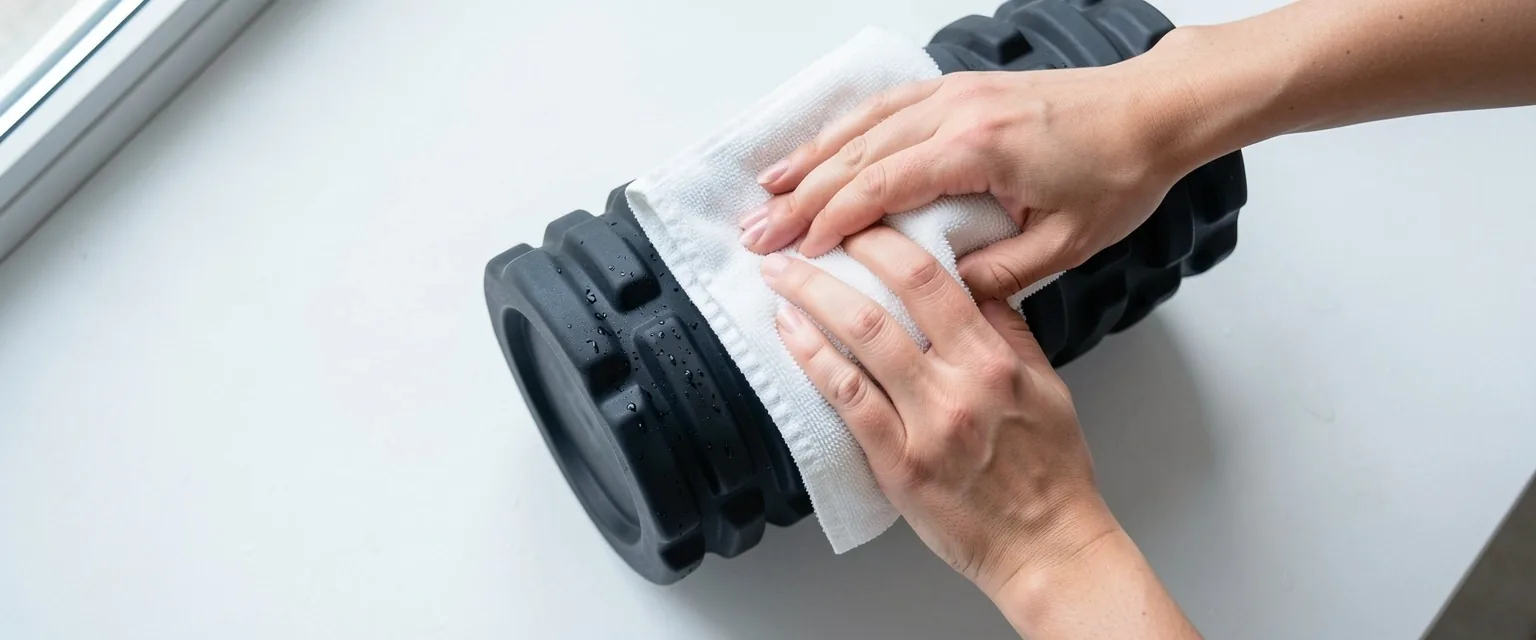
Built to last, easy to clean
All our MFR tools are made from non-porous materials that are easy to wipe down after use. This is particularly important for equipment used directly against the skin or in a shared gym environment. Maintaining the cleanliness of your rollers and balls ensures they remain a hygienic part of your daily routine.
A damp cloth and mild soap are all you need. Avoid harsh solvents that can break down the foam over time. Let the tool air dry fully before storing it.
Mobility for the upper and lower back
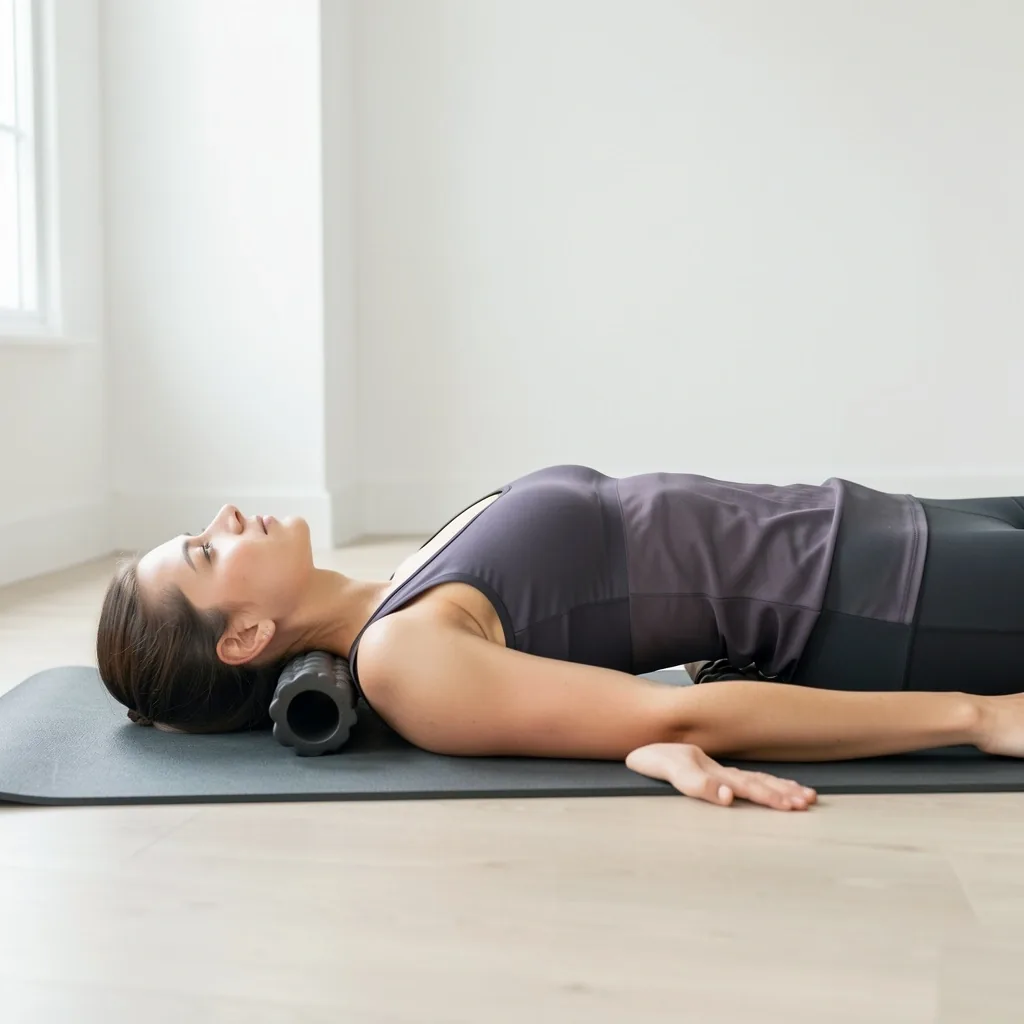
Back tension is a common complaint for those with sedentary jobs. Our MFR range includes tools specifically sized for the thoracic and lumbar regions. Using a roller to open up the chest and upper back can counteract the forward-slumping posture often caused by long hours at a desk.
A few minutes of thoracic extension over a roller — placed lengthwise along the spine, not across it — can help restore movement to a stiff upper back. For the lower back, a peanut ball is the safer choice, as it keeps pressure off the lumbar vertebrae while working the surrounding muscles.
Selecting the right firmness
Not all bodies require the same level of pressure. We offer tools with varying levels of firmness to accommodate beginners and experienced users alike. If you are new to myofascial release, starting with a slightly softer roller allows your tissues to adapt before moving to more intense, high-density options.
Beginner-friendly
A gentler surface that gives more under body weight. Good for those new to MFR or working on sensitive areas. Lets your tissue adapt gradually before you move to firmer tools.
Everyday use
A balanced density that works for most people on most muscle groups. Firm enough for effective release, forgiving enough for regular use. The default choice if you are unsure where to start.
Experienced users
A firm, solid surface that holds its shape under full body weight. Best for dense muscle groups and users who know how much pressure they want. Delivers the deepest release in the range.
Ready to start rolling?
Browse the full range of foam rollers, massage balls, and peanut tools. If you are unsure which firmness suits you, our recovery guides walk through the basics so you can choose with confidence.
Talk to the Movewell team
Based in Chiswick, London. We are happy to talk through the range and help you pick the right tool for your routine.
5 Power Road, Chiswick, London, W4 5PY, United Kingdom · Mon–Fri: 9:00–18:00